Buying a Vacation or Second Home in Arizona: What You Need to Know in 2026
Buying a Vacation or Second Home in Arizona: What You Need to Know in 2026
Arizona remains one of the most popular vacation and second home markets in the country — but financing a second home works differently than financing the home you live in. Unlike some vacation-home states, Arizona's property tax rules are actually more forgiving than you might expect, though insurance realities here are shifting fast. Here's what actually matters before you make an offer. NMLS #137512.
Get Pre-Approved — It's FreeA second home mortgage is not the same product as the loan on your primary residence — the down payment is higher, the rate is a little higher, and the underwriting rules around occupancy and rental use are genuinely stricter. Arizona has its own property tax classification system worth understanding, plus wildfire and insurance realities that have been shifting fast in recent years.
We've seen strong, steady second home activity across our Arizona markets — buyers securing a Scottsdale-area retreat, a Tucson winter home, or a Gilbert or Chandler family getaway. Here's what to know before you get too far into the process.
The Arizona Tax Picture: Better News Than You'd Expect
If you've bought a vacation home in another state, you may be bracing for a tax penalty on a second property. In Arizona, that penalty is much smaller than most buyers expect.
Arizona classifies owner-occupied primary residences as Legal Class 3, and second homes, vacation homes, and non-owner-occupied residential property as Legal Class 4. Here's the part that surprises a lot of buyers: both classes carry the same 10% assessment ratio, and both are protected by the same Proposition 117 cap, which limits annual assessed value growth to 5% per year — regardless of how much market value rises.
The one real difference: Class 3 primary residences qualify for a small state aid to education reduction on the tax bill (sometimes called the "homeowner's rebate") that Class 4 properties don't receive. It's a modest difference, not a structural tax trap like some vacation-home states impose.
What This Actually Looks Like in Dollars
Say you buy a $500,000 Arizona vacation home. Even in a strong market year, your assessed value under the Limited Property Value formula can't legally climb more than 5% — the same protection a primary residence gets. You lose a modest homeowner rebate, not a materially higher growth cap.
We factor Arizona's Class 4 tax treatment into every second home pre-approval so the number you plan around reflects reality from day one.
Second Home Financing Rules in 2026
Beyond Arizona's tax rules, the mortgage itself works differently than financing you're used to on a primary residence:
| Requirement | Second Home (2026) |
|---|---|
| Minimum down payment | 10% for well-qualified borrowers (90% max LTV on a purchase) |
| Minimum credit score | Typically 620–680 depending on the lender and pricing tier |
| Maximum DTI | 45%, including both your primary and second home mortgage payments |
| Cash reserves required | 2–6 months of payments, depending on credit and overall file strength |
| Distance from primary residence | No hard mileage rule anymore — underwriters look for genuine vacation/resort characteristics |
| Rental income used to qualify | Not allowed — you must qualify on your own income alone |
| Short-term rental (Airbnb/VRBO) allowed? | Yes, occasionally — as long as you keep exclusive personal-use rights and there's no mandatory rental pool agreement |
| Rate compared to a primary residence | Typically 0.25%–0.50% higher |
One rule worth clearing up: the old "must be 100 miles from your primary residence" guideline that used to define second home eligibility is no longer a hard requirement. Underwriters now look at whether the property genuinely fits a vacation or resort profile rather than applying a strict mileage cutoff.
Second Home vs. Investment Property — Know the Difference Before You Apply
This distinction matters more than most buyers realize, because it changes your down payment, your rate, and how you're allowed to qualify:
- Second home: You personally use it for part of the year, it's not subject to a mandatory rental agreement, and you cannot use any rental income to help you qualify. Down payments start around 10%.
- Investment property: Purchased primarily to generate rental income, with a different LTV structure (typically requiring more down) — but rental income from the property can often be used to help you qualify, especially with DSCR loan programs.
- Resort-managed condos and short-term rental communities: Some Arizona resort-style developments (especially in the Scottsdale/Paradise Valley area) operate with mandatory rental pools or hotel-style management. These almost always get classified as investment or non-warrantable properties by lenders, with different terms — worth confirming before you fall in love with a specific building.
Insurance: Rising Fast, and Not for the Reason You'd Guess
Arizona doesn't carry hurricane risk, which keeps average premiums meaningfully below the national number — but the "cheap Arizona insurance" reputation is changing quickly, and it's worth planning around rather than assuming:
- Wildfire risk is the real driver. Arizona has one of the highest counts of homes with moderate-or-greater wildfire risk in the country. Areas like Flagstaff, Prescott, Sedona, and the Mogollon Rim see the steepest premiums, but insurers have also started re-mapping risk zones in outer Phoenix-metro suburbs that were previously considered low-risk.
- Rates have climbed sharply. Arizona home insurance costs have risen roughly 66% over the past five years — well above the national average increase — largely tied to wildfire remapping and rising rebuild costs.
- Monsoon wind and dust storms (haboobs) are a real, if smaller, factor in premium pricing, particularly in Maricopa and Pinal counties.
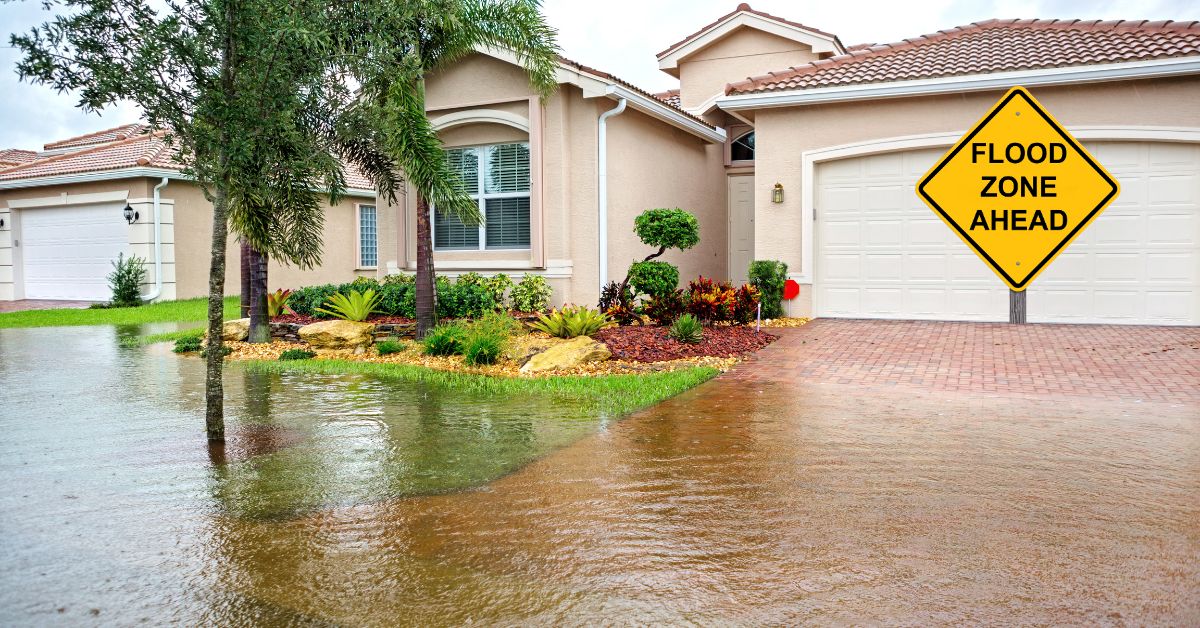
- Flood and earthquake are excluded from standard policies everywhere, Arizona included — worth a separate conversation if your property sits near a wash or flood-prone area.
We build a realistic, current-market insurance estimate into every Arizona second home pre-approval — not a generic "Arizona is cheap" assumption — so your true monthly carrying cost is accurate from day one.
One Genuine Arizona Advantage: No Transfer Tax
Unlike many vacation-home states, Arizona charges no real estate transfer tax at all — it's one of only a handful of states where this is constitutionally prohibited (since a 2008 voter-approved measure). On a $500,000 vacation home, that's a real closing-cost savings compared to states like Florida, which charge a documentary stamp tax of $0.70 per $100 of purchase price.
Frequently Asked Questions
Does my Arizona vacation home get a worse property tax deal than my primary residence?
Not by much. Both primary residences (Class 3) and second homes (Class 4) share the same 10% assessment ratio and the same 5% annual cap on assessed value growth under Proposition 117. The only real difference is that Class 3 properties get a modest state aid to education rebate that Class 4 properties don't.
How much can my Arizona vacation home's property taxes increase each year?
Under Proposition 117, the Limited Property Value used to calculate your tax bill can't increase more than 5% per year, regardless of how much the market value rises — and this cap applies to second homes the same as primary residences.
Do I need 20% down to buy a second home in Arizona?
No — conventional second home financing typically starts at 10% down for well-qualified borrowers. Your rate and mortgage insurance requirements will vary based on your down payment, credit score, and overall financial profile.
Why is Arizona homeowners insurance going up so fast if there's no hurricane risk?
Wildfire risk is the primary driver. Insurers have been re-mapping risk zones across the state, including some Phoenix-metro suburbs previously considered low-risk, which has pushed rates up roughly 66% over the past five years — well above the national average increase.
Can I rent out my Arizona vacation home on Airbnb and still finance it as a second home?
Generally yes, as long as you maintain exclusive personal-use rights and it isn't subject to a mandatory rental pool. You cannot use projected rental income to qualify for a second home loan — that's only allowed for properties financed as investment properties.
Thinking About an Arizona Vacation Home?
Talk directly with Kirk or Ken. We'll build a realistic Class 4 tax picture and current-market insurance estimate into your pre-approval from day one, walk you through second home vs. investment property classification, and shop wholesale rates to find your best option.
Get Your Free Pre-Approval Today
Related Posts