What Is a Special Assessment? Why HOA Dues Are Skyrocketing in 2026 — and When It Might Stop
What Is a Special Assessment? Why HOA Dues Are Skyrocketing in 2026 — and When It Might Stop
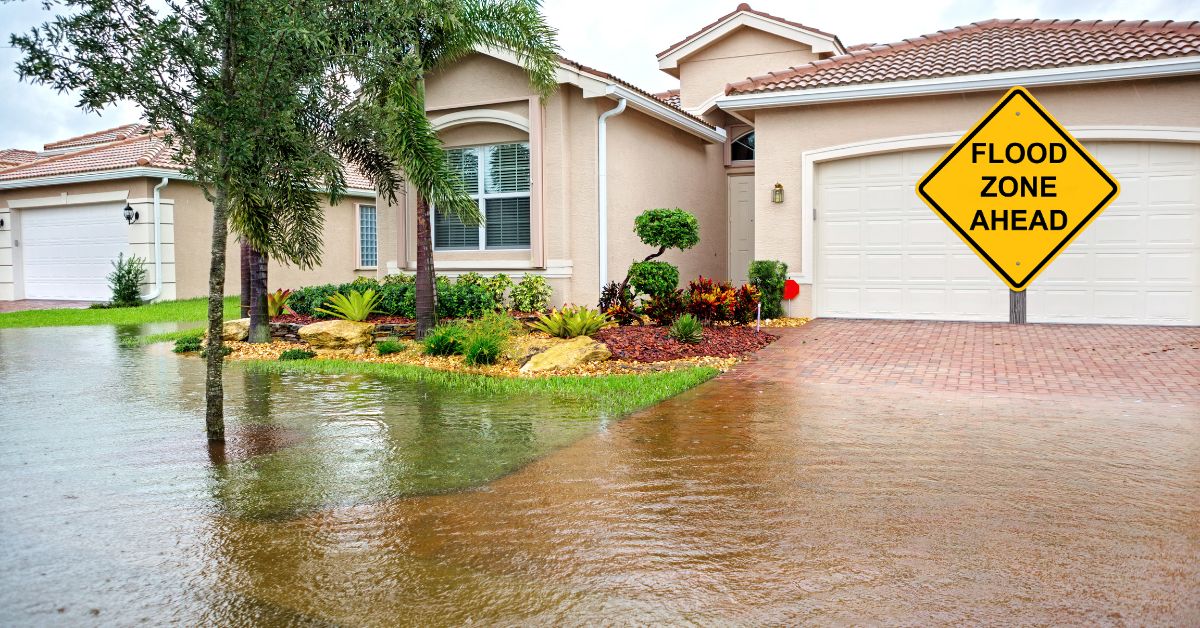
Monthly dues that doubled. A surprise bill for $30,000. A building that suddenly can't get a conventional loan. If you own, or you're thinking about buying, in a condo or a resort-style community, these are the questions you need answered before you sign anything. Here's what's actually going on, which communities are most exposed, and what it means for your mortgage. NMLS #137512.
Get Pre-Approved — It's FreeHere's the short version of why this is happening now. For years, many associations kept dues low by putting off big repairs and skipping reserve savings. Then insurance costs jumped, safety rules tightened after the 2021 Surfside collapse, and labor and materials got more expensive. All of those bills landed on the same owners at the same time.
Add the lending side, where Fannie Mae and Freddie Mac have tightened their condo rules in 2026, and you get a market where dues, assessments, and mortgage eligibility are all tied together. Understanding one means understanding all three.
What Is a Special Assessment, Exactly?
Your association has three different ways of collecting money from owners, and people mix them up constantly:
| Type | What it is | How you pay |
|---|---|---|
| Regular dues (assessments) | Covers the ongoing, predictable costs: insurance, landscaping, management, utilities, staff, and day-to-day maintenance. | Monthly or quarterly |
| Reserve contributions | The part of your dues that gets saved for big future replacements: roofs, elevators, paving, structural work. This is the association's savings account. | Built into your regular dues |
| Special assessment | An extra charge when the association needs money it doesn't have: a major repair, an insurance shortfall, a legal bill, or reserves that fell short. | One lump sum, or installments set by the board |
The key idea is that a special assessment is usually what happens when the reserves weren't big enough. Well-funded associations pay for big repairs out of reserves, and underfunded ones send the bill to owners. That's why reserves matter so much when you're evaluating any community.
Can the Association Really Make Me Pay?
Yes. When a board levies a valid assessment, it generally becomes a debt tied to your unit. If it goes unpaid, associations can typically place a lien on the property and, depending on the state and the governing documents, pursue foreclosure. Some governing documents require an owner vote above a certain dollar amount, so read yours. And don't ignore a notice. If you can't pay it all at once, ask the board about installments or other options before you fall behind.
Why HOA Dues Are Skyrocketing in 2026
There isn't one cause. There are four, and they stack:
1. Insurance Costs
Associations carry a master insurance policy for the building and common areas, and that premium gets passed to owners through dues. The Insurance Information Institute has said Florida master condo policies rose anywhere from 100% to 500% after Surfside. Insurance is one of the biggest line items in most condo budgets.
2. Safety Laws and Reserve Rules
Florida now requires milestone inspections on aging buildings and a Structural Integrity Reserve Study (SIRS) for buildings with three or more habitable stories. Since January 1, 2026, associations have to fund those structural reserves per the study, and the old option of voting to waive them is gone. Associations that spent years underfunded have to catch up.
3. Labor and Materials
Concrete work, roofing, elevators, pool equipment, and landscaping crews all cost more than they did a few years ago. A repair that was budgeted at one price in 2021 may cost far more today.
4. Tighter Lender Rules
Fannie Mae and Freddie Mac want to see associations saving more and fixing problems earlier. Buildings that don't meet their standards can be hard to finance, which pushes boards to raise reserves to protect resale values for every owner.
What Fannie Mae's 15% Reserve Rule Means in Dollars
Starting with conventional condo loan applications dated January 4, 2027, the minimum reserve allocation in an association's budget rises from 10% to 15% of annual assessment income (unless the association's own reserve study supports funding at its highest recommended level instead).
For a 100-unit building, that's about $250 more per unit per year in this example. For a building that's far behind, the gap is much bigger.
It's Not Only Florida
Florida is the epicenter, but it isn't alone. Redfin's analysis of condo and co-op dues found Fort Worth up 14.6%, Sacramento up 13.1%, and Atlanta up 12.2% over the year. Colorado also put its own reserve study mandate in place recently. If you're buying a condo or townhome anywhere, the same questions apply: what's in reserves, what's the insurance situation, and what repairs are coming?
So When Will HOA Dues Stop Skyrocketing?
Here's the honest answer: dues are very unlikely to go back down, but the pace of increases should slow once buildings finish catching up. Nobody can promise a date, and anyone who does is guessing. Here's what's actually driving the timeline.
| Factor | Where it stands | What it means for dues |
|---|---|---|
| Florida reserve catch-up | SIRS-based reserve funding became mandatory January 1, 2026. Boards have flexibility to use special assessments, loans, or lines of credit with a majority vote, and can pause reserves for up to two budget years after a milestone inspection finds necessary repairs. | 2026 and 2027 budgets are the "reset" years. Pressure stays high until reserves are properly funded. |
| Fannie Mae reserve floor | Rises to 15% on January 4, 2027, and the streamlined Limited Review is already gone for most established projects (applications dated August 3, 2026 and later). | Boards that want their buildings financeable are raising reserve lines now, ahead of the deadline. |
| Condo insurance | Some early relief. Several Florida carriers have received approval or filed for condo policy decreases in the roughly 8% to 12% range, and Citizens announced an average cut for 2026. Florida premiums still sit far above the national average. | The one factor that could genuinely ease dues, but a hurricane season can erase it quickly. |
| Repair backlogs | Specific to each building, based on milestone inspection and reserve study findings. | Buildings with big structural findings face assessments no matter what the market does. |
| Labor and material costs | Elevated and unpredictable. | Keeps the baseline high. |
Our Honest Read
Think of it as two phases. The catch-up phase, where associations that underfunded for years are forced to fix it, is happening right now and will likely run through 2027 for many buildings. After that, increases should look more like normal inflation-style adjustments instead of 15% jumps. But dues won't roll back to where they were, because the underlying costs didn't go away. The practical takeaway: when you evaluate a building, don't assume today's dues are the final number. Ask what the next budget looks like, and check whether the association has already caught up or is still behind.
Which Communities Are Most Likely to Struggle in 2026?
Any association can end up with a special assessment, but certain types of communities are more exposed right now. The two biggest are the ones you'd expect: aging high-rise condos and resort-style communities with golf.
🏢 Older High-Rise & Coastal Condos
These buildings are expensive to maintain. Elevators, concrete and balcony restoration, roofs, windows, fire protection, and plumbing all come due eventually, and coastal wind exposure keeps insurance premiums high. Buildings reaching 30 years old (earlier in some coastal areas) face milestone inspections that can uncover major repairs.
Watch for: the milestone inspection report, the SIRS, pending or approved assessments, and recent master policy renewal increases.
⛳ Resort-Style & Golf Communities
Courses, irrigation systems, clubhouses, restaurants, spas, pools, and tennis facilities are expensive to run and even more expensive to replace. Those costs are spread across a fixed pool of owners, and capital projects like redoing greens or renovating a clubhouse can hit every few years. Many golf communities also layer costs: HOA dues, separate club membership, and in Florida often a CDD on the tax bill.
Watch for: whether membership is mandatory, whether it's equity or non-equity, club financials, recent capital assessments, and planned renovations.
💰 Buildings That Kept Dues Low by Skipping Reserves
Florida used to let owners vote to waive reserve funding, and plenty did. Those buildings are now playing catch-up, and the bill arrives as higher dues, a special assessment, or both.
Watch for: dues that look too good compared with similar buildings, and a reserve line below 15% of the budget.
🏠 Smaller Buildings & Small Associations
Fewer owners means a big repair or insurance premium gets divided among fewer people. One major project can mean a much larger check per unit than it would in a large complex.
Watch for: thin reserves relative to the building's age and a short list of owners carrying the whole budget.
🏨 Condo-Hotels & Rental-Pool Buildings
Buildings with hotel-style management or mandatory rental programs carry higher operating costs and are commonly flagged as non-warrantable by lenders, which limits financing options for buyers and sellers alike.
Watch for: mandatory rental pools, high investor concentration, and a history of tough financing for buyers.
🏗 Brand-New Communities With Very Low Dues
While a developer controls the association, the budget can be set low to help sell homes. Once control passes to owners, a realistic budget often brings dues up, sometimes sharply.
Watch for: a reserve study at turnover and what the first owner-adopted budget looks like.
On the other side, communities in better shape tend to be newer buildings with a recent reserve study, associations already putting 15% or more into reserves, a clean milestone and structural report, stable insurance renewals, and low delinquency among owners. Single-family neighborhoods with modest amenities usually have far less exposure than a high-rise or a full resort-style club.
The Golf Community Math Most Buyers Skip
People price the house on the course and rarely price the golf. In most golf communities, club membership is a separate cost from your HOA dues, though some communities fold golf into the dues. Here's what to understand:
- Basic golf community HOA dues commonly run $200 to $400 a month, and they can exceed $1,000 a month in more upscale communities.
- Club initiation fees at private communities range from $5,000 to $50,000 or more, with annual dues on top. One 2026 retirement analysis put initiation at $30,000 to $75,000 and monthly dues at roughly $900 to $1,500 at mid-tier Sun Belt private clubs.
- Equity vs. non-equity matters. With an equity membership you own a share of the club. With non-equity you pay to play with no ownership stake. In either case, you can be hit with capital assessments when the club needs major work.
- Mandatory membership means you pay whether you golf or not. Confirm this before you make an offer.
- Club dues have historically outpaced inflation, so what you pay at purchase is not what you'll pay in ten years.
Questions to Ask Any Golf or Resort Community
- Is membership mandatory, and is it equity or non-equity?
- Have there been capital assessments in the last five years?
- Are any major projects planned, like a clubhouse renovation or course redesign?
- Who owns the club, and what do its financials look like?
- Are there CDD fees or other charges on top of HOA and club dues?
These communities are common in the markets we serve, from Florida's Gulf and Atlantic coasts to Scottsdale and the Phoenix area to the Houston suburbs. The same questions apply everywhere.
How This Hits Your Mortgage
This is the part most buyers don't see coming. Your mortgage approval depends on you and on the condo or community you're buying into.
- Your dues count in your qualifying ratios. HOA or condo dues are included in your monthly housing payment and your debt-to-income ratio. Higher dues mean a smaller loan amount you can qualify for.
- Special assessments get reviewed. Lenders look at the reason for any current or planned assessment, the total, and the repayment terms. If you owe installments on one, that payment is generally factored into your qualifying.
- Critical repairs can make a building ineligible. Under Fannie Mae and Freddie Mac rules, a building in need of critical repairs, including assessments tied to safety, structural integrity, or habitability, stays ineligible until the work is done.
- The review got tougher. Fannie Mae's Lender Letter LL-2026-03 retired the streamlined Limited Review for established projects with more than 10 units (applications dated on or after August 3, 2026), so most condo loans now get a full review of the association's budget, reserves, insurance, and deferred maintenance.
- Reserves floor rising. The reserve minimum goes from 10% to 15% for conventional loan applications dated January 4, 2027 and later.
- Heavy delinquency is a red flag. When too many owners are behind on dues, the whole project can fail the review.
What "Non-Warrantable" Means for You
If a building doesn't meet Fannie Mae and Freddie Mac standards, it's called non-warrantable. Buyers there can face higher interest rates, larger down payments, or outright denial for a conventional loan, no matter how strong their personal credit is. And it works in reverse: if the building becomes non-warrantable later, every owner who wants to sell or refinance can feel it. Some non-conventional lender options exist for these buildings, typically with different terms, and we'll tell you what's realistic before you fall in love with a unit.
Dates and requirements above reflect Fannie Mae's Lender Letter LL-2026-03 as summarized by industry and legal sources. Guidelines can change and vary by lender, so confirm current rules for your specific loan.
Your Pre-Offer Checklist for Any Condo or HOA
Before you commit, request these documents and read them. Don't skim the summary:
- The current budget and the last two years of financials. Check the reserve line as a percentage of total assessment income. Under 15% deserves a question.
- The reserve study and, for Florida buildings of three or more habitable stories, the SIRS. This tells you what's coming and whether the association is saving for it.
- The milestone inspection report, if the building has reached that age.
- Special assessment history and any pending or discussed assessments. Ask in writing whether any are approved, proposed, or under board discussion.
- The master insurance policy and renewal history. Look at coverage, deductible, and how much the premium jumped.
- The last 12 months of board meeting minutes. This is where the real conversations about repairs and money show up.
- Litigation and delinquency. Pending lawsuits and a high share of owners behind on dues can both block financing.
- Ask your lender whether the building is eligible for conventional financing before you make an offer, not after.
If You Already Own and Just Got a Special Assessment
- Read the notice and your governing documents. Confirm the amount, the due date, the reason, and whether an owner vote was required.
- Ask about payment options. Many boards offer installments, and some arrange an association loan so owners can pay over time.
- Plan for it before it's due. Unpaid assessments can lead to liens, so don't let it slide.
- Talk to us about funding options. Depending on your equity and situation, a cash-out refinance or HELOC may be one way to cover a large assessment, though borrowing has its own costs and trade-offs. We'll run the numbers honestly so you can compare it against paying from savings.
- Thinking of selling? Know that pending or recent assessments affect buyers and lenders, and who pays what is something to settle in the sales contract.
Frequently Asked Questions
What is a special assessment?
A special assessment is a one-time charge from your HOA or condo association to owners, on top of regular monthly dues, to cover costs the association doesn't have the money for. Common triggers include major repairs, an insurance shortfall, unexpected legal costs, and reserves that weren't adequately funded.
How much is a typical special assessment?
It varies enormously. Florida condo owners have reported assessments from $10,000 to $100,000 or more per unit, especially in older buildings facing structural repairs. Single-family HOA assessments, such as for a road or amenity repair, are often much smaller, though not always.
Will HOA dues ever stop going up?
Regular dues rarely go down, because the costs behind them, like insurance, labor, and materials, don't reverse. What may change is the pace. Many Florida buildings are in a catch-up phase now, driven by mandatory structural reserves and tighter lender standards, and increases should moderate once reserves are properly funded. Some condo insurance rates are easing, which helps, but it can reverse after a bad storm season.
Which type of community is most likely to get a special assessment?
Right now, older high-rise and coastal condos, resort-style and golf communities with expensive amenities, and buildings that previously underfunded or waived reserves are the most exposed. Small associations are also vulnerable, since a major repair gets divided among fewer owners.
Does a special assessment affect my mortgage approval?
It can. Lenders review any current or planned special assessment, including its reason, total amount, and repayment terms. If you owe installments, the payment is generally included when calculating your qualifying ratios. And if the assessment is tied to safety or structural repairs that aren't complete, the building may be ineligible for conventional financing until the work is done.
What is a non-warrantable condo?
A condo project that doesn't meet Fannie Mae and Freddie Mac standards, often because of underfunded reserves, unresolved critical repairs, major pending assessments, heavy delinquencies, inadequate insurance, or certain litigation. Buyers may face higher rates, bigger down payments, or a denial for conventional financing.
Is golf included in my HOA dues?
In most golf communities, no. Golf is usually a separate club membership with its own initiation fee, dues, and potential assessments. Some communities bundle golf into the HOA dues, and some memberships are mandatory. Confirm all of it, in writing, before you make an offer.
Who pays a special assessment when a condo is sold?
It depends on the sales contract, local law, and the timing of the assessment, such as whether it was approved before the contract and when installments come due. This is a common negotiation point, so raise it early with your agent and your closing attorney or title company.
Eyeing a Condo or a Golf Community?
Talk directly with Kirk or Ken before you make an offer. We'll walk through the association's financials with you, check whether the building is financeable, and build the full monthly cost into your pre-approval, so the dues, the insurance, and any assessments are in your budget from day one.
Get Your Free Pre-Approval TodayThis article is general information, not legal, insurance, or financial advice. Association rules vary by state and by community, so consult a qualified attorney or insurance professional about your specific situation.

Related Posts